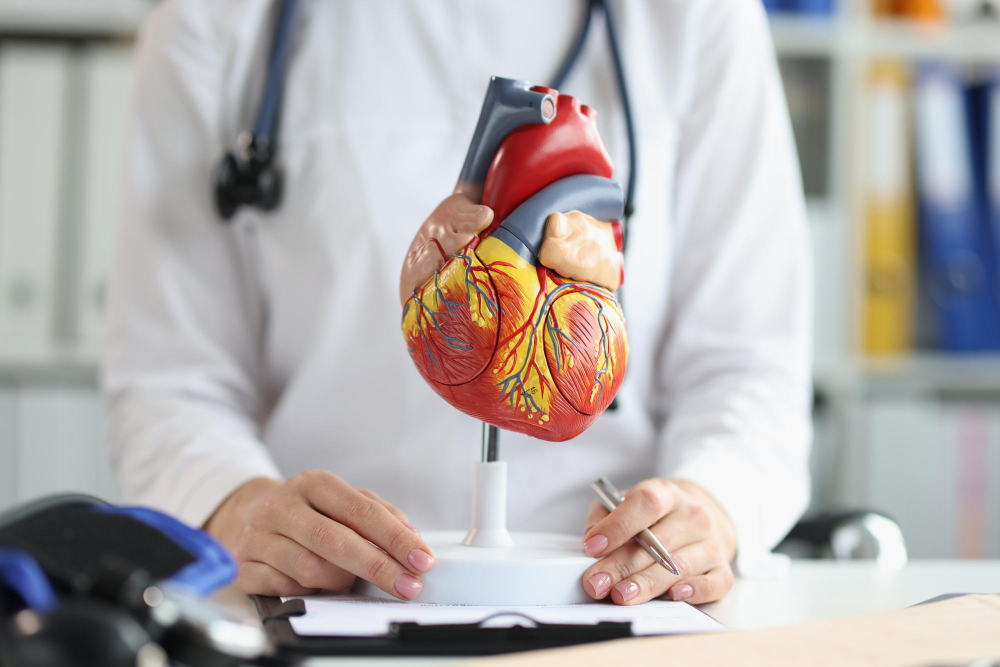
What is Cardiac Arrest?
Cardiac arrest is a sudden loss of heart function. When this happens, the heart stops pumping blood to the body. As a result, the brain and other organs do not get enough oxygen. This can lead to death within minutes if not treated quickly. According to the World Health Organization (WHO), cardiac arrest is a major cause of death worldwide. Unlike a heart attack, which is caused by blocked blood flow, cardiac arrest is an electrical problem in the heart. Because it happens so quickly, knowing the signs of cardiac arrest is very important.
Common Causes of Cardiac Arrest
Many things can cause cardiac arrest. Some causes are related to heart problems, while others are not. For example, a person may have a heart rhythm disorder that leads to cardiac arrest. In addition, other health issues can also play a role.
Sometimes, cardiac arrest happens with no warning. However, people with heart disease are at higher risk.
Recognizing the Symptoms
Knowing the signs of cardiac arrest can save lives. Most often, symptoms appear suddenly. For instance, a person may collapse without warning. In many cases, there are no early signs. However, some people may notice warning signs before cardiac arrest.
If you see someone with these symptoms, call emergency services right away. Quick action is key to survival.
Diagnosis and Emergency Response
During a cardiac arrest, fast diagnosis and emergency response are vital. First, check if the person is responsive. If not, call for help immediately. Then, start chest compressions. According to the American Heart Association, early CPR (cardiopulmonary resuscitation) can double or triple survival chances. In addition, using an automated external defibrillator (AED) can help restart the heart. Emergency teams will use tests like ECG (electrocardiogram) and blood tests to confirm cardiac arrest and find the cause.
Treatment Options
There are several cardiac arrest treatment options. The main goal is to restore normal heart rhythm and prevent brain damage. For example, emergency teams may use:
After recovery, doctors may suggest more tests or treatments. Sometimes, a device called an implantable cardioverter-defibrillator (ICD) is placed in the chest to prevent future episodes.
Prevention and Lifestyle Tips
Although not all cases can be prevented, there are ways to lower your risk. For instance, making healthy lifestyle choices can help. Here are some tips on how to prevent cardiac arrest:
Additionally, learning CPR can help you save a life in an emergency.
When to Seek Medical Help
If you or someone you know has chest pain, trouble breathing, or faints, seek medical help right away. Even if symptoms seem mild, it is better to be safe. Early treatment can prevent serious problems. Remember, emergency response for cardiac arrest must be fast. Do not wait for symptoms to go away on their own.
If you or someone you know experiences symptoms of cardiac arrest, seek emergency medical help immediately.