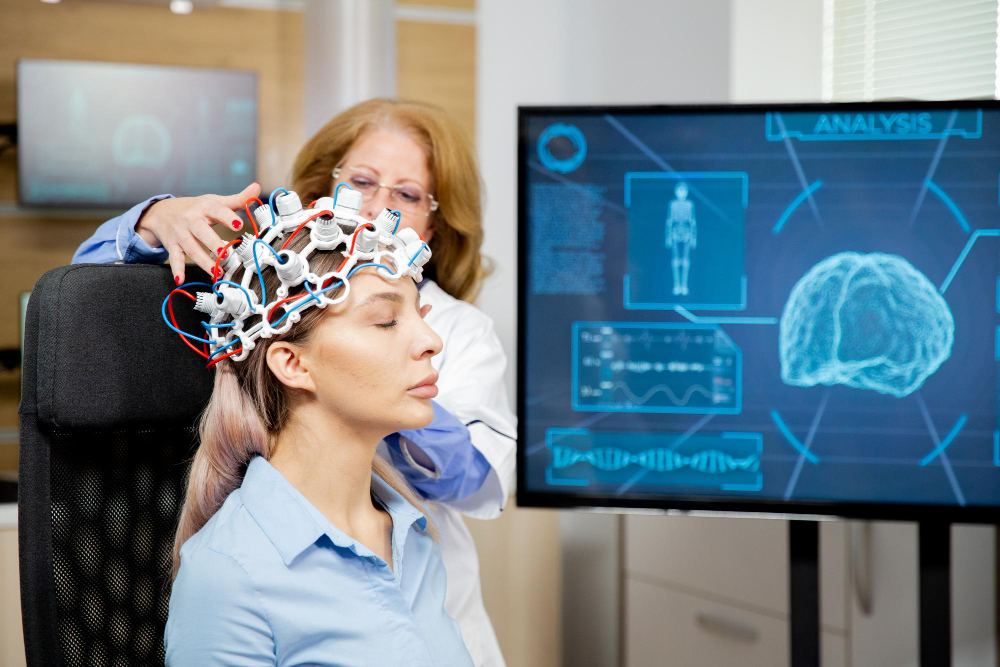
What is Deep Brain Stimulation (DBS)?
Deep Brain Stimulation (DBS) is a medical treatment used in neurology and neurosurgery. It helps people with certain brain disorders. In DBS, doctors place thin wires in specific areas of the brain. These wires send mild electrical signals to help control abnormal brain activity. Many people with movement problems or other neurological disorders may benefit from DBS. In this blog, we will explore five important benefits of Deep Brain Stimulation.
How Does DBS Work?
DBS works by sending controlled electrical signals to targeted parts of the brain. First, a surgeon places small electrodes in the brain. Then, a device called a pulse generator is put under the skin near the chest. The generator sends signals through the wires to the brain. As a result, these signals help balance brain activity. This can reduce symptoms of certain neurological disorders. For example, DBS is often used for Parkinson’s disease, essential tremor, and dystonia. According to the World Health Organization, DBS can improve quality of life for many patients.
5 Benefits of Deep Brain Stimulation (DBS)
1. Reduces Movement Problems
Many people with Parkinson’s disease or essential tremor have trouble moving. DBS can help reduce shaking, stiffness, and slow movements. Because of this, daily tasks become easier. For example, patients may find it easier to eat, write, or walk. Studies show that DBS can lead to big improvements in movement and coordination.
2. Improves Quality of Life
After DBS, many patients feel more independent. They can do more things on their own. This boost in confidence often leads to a better mood. In addition, families notice positive changes in their loved ones. The ability to enjoy hobbies or social events often returns. Overall, DBS helps people live fuller, happier lives.
3. Reduces Need for Medication
Some neurological disorders require many medicines. However, these medicines can cause side effects. With DBS, patients often need less medication. As a result, they may have fewer side effects like sleepiness or nausea. This makes daily life more comfortable. Doctors often adjust medicines after DBS to find the best balance.
4. Helps When Medicines Stop Working
Over time, some medicines become less effective. When this happens, symptoms may return or get worse. DBS can help in these cases. It offers another option when medicines no longer work well. Because of this, DBS is a valuable tool for long-term care.
5. Adjustable and Reversible Treatment
Unlike some surgeries, DBS is adjustable. Doctors can change the settings to fit each patient’s needs. If needed, the device can be turned off or removed. This flexibility makes DBS a safer choice for many people. It also allows doctors to fine-tune the treatment over time.
Who Can Benefit from DBS?
DBS is mainly used for people with movement disorders. These include:
Sometimes, DBS is also used for epilepsy or obsessive-compulsive disorder. However, not everyone is a good candidate. Doctors will check your health, symptoms, and other treatments first. If you live in a city with advanced hospitals, such as DBS treatment in New York or Mumbai, you may have access to this option.
Safety and Effectiveness of DBS
DBS is considered safe for most people. The surgery is done by skilled neurosurgeons. Like any surgery, there are some risks, such as infection or bleeding. However, serious problems are rare. According to the CDC and medical journals, most patients see clear benefits. The device can be adjusted if side effects occur. Regular check-ups help keep the treatment safe and effective.
When to Consult a Neurologist About DBS
If you or a loved one has a neurological disorder and medicines are not helping, it may be time to ask about DBS. Early consultation can help you learn about all your options. A neurologist or neurosurgeon can explain if DBS is right for you. They will review your symptoms, medical history, and other treatments. Because every patient is different, a personalized plan is important.
In summary, Deep Brain Stimulation offers hope for many people with neurological disorders. It can reduce symptoms, improve daily life, and give new options when medicines fail. If you want to know more, consult a neurologist or neurosurgeon to learn if Deep Brain Stimulation is right for you.