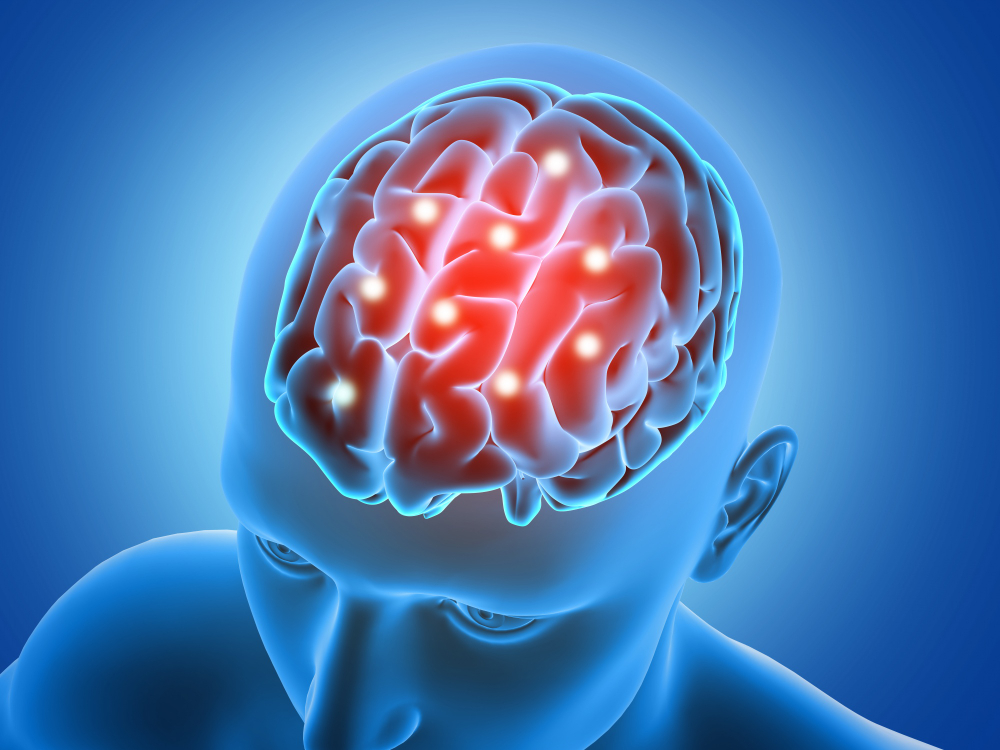
What is Meningitis?
Meningitis is a serious illness. It happens when the protective layers around the brain and spinal cord become inflamed. This condition can affect anyone, but it is more common in babies, young children, and older adults. Because meningitis can get worse quickly, meningitis awareness and early diagnosis are very important. According to the World Health Organization (WHO), early treatment can save lives and prevent lasting problems.
Common Symptoms of Meningitis
Recognizing meningitis symptoms early can help you get care fast. While symptoms can vary, some signs are more common. In addition, symptoms may appear suddenly and get worse quickly.
However, babies may show different signs, such as poor feeding, irritability, or a bulging soft spot on the head.
Causes and Risk Factors
Meningitis can be caused by viruses, bacteria, fungi, or parasites. However, bacterial meningitis is often the most serious. Viral meningitis is more common but usually less severe. In some regions, such as parts of Africa, outbreaks are more frequent.
Risk factors include:
Therefore, knowing your risk can help you take steps to protect yourself.
Importance of Early Diagnosis
Early diagnosis of meningitis can save lives. Because the illness can get worse quickly, fast action is key. If left untreated, meningitis can cause brain damage, hearing loss, or even death. In addition, early treatment lowers the risk of serious problems. According to the Centers for Disease Control and Prevention (CDC), quick medical care is the best way to prevent lasting harm.
How Meningitis is Diagnosed
Doctors use several steps to find out if someone has meningitis. First, they ask about symptoms and do a physical exam. Then, they may order tests such as:
These tests help doctors find the cause and choose the best treatment. If you wonder how is meningitis diagnosed, these steps are standard in most hospitals.
Treatment Options
Meningitis treatment options depend on the cause. For bacterial meningitis, doctors use antibiotics right away. In addition, they may give fluids and medicine to reduce swelling. Viral meningitis often gets better on its own, but rest and fluids help. However, severe cases may need hospital care. Fungal and other rare types need special medicines. Therefore, starting treatment early can prevent serious problems.
Prevention Tips
You can lower your risk of meningitis by following these tips:
In addition, some people at higher risk may need extra vaccines or medicine during outbreaks.
When to Seek Medical Help
If you notice early signs of meningitis, seek medical help right away. Symptoms like high fever, stiff neck, and confusion need urgent care. In addition, if your child is very sleepy, hard to wake, or has a seizure, call a doctor immediately. Quick action can save lives and prevent lasting harm.
If you notice symptoms of meningitis, consult a healthcare specialist Dr. Machireddy Amarnath Reddy immediately for personalized advice.