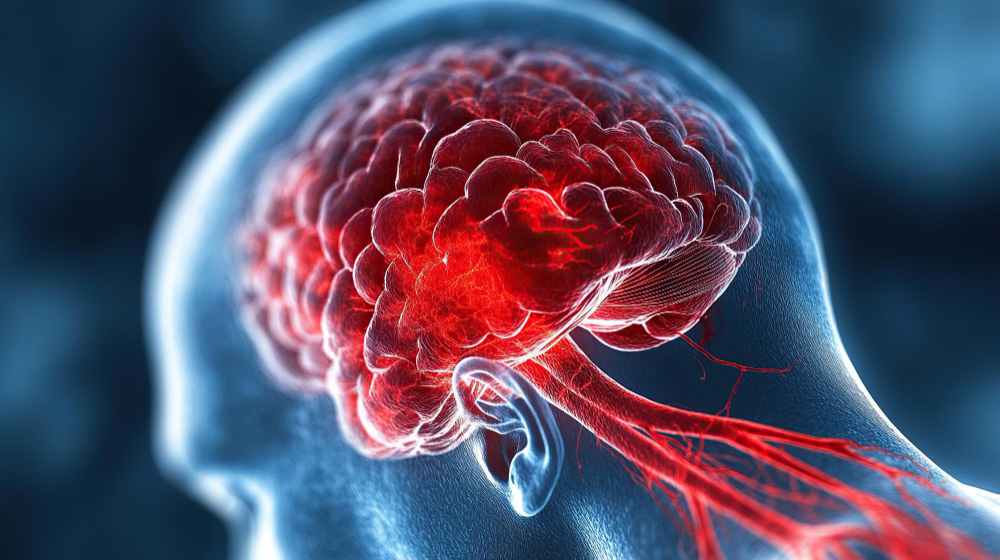
Stroke is a serious medical condition that affects millions of people worldwide. It happens when blood flow to the brain is blocked or reduced. As a result, brain cells can die within minutes. Because stroke can cause lasting damage, it is important to know the signs and how to prevent it. In this blog, you will learn about stroke symptoms, causes, diagnosis, treatment options, and prevention tips.
What is a Stroke?
A stroke occurs when blood cannot reach parts of the brain. This can happen because of a blocked blood vessel or bleeding in the brain. When brain cells do not get enough oxygen, they start to die. Therefore, quick treatment is very important. There are two main types of stroke:
Both types can cause serious problems. However, early treatment can help reduce damage.
Common Symptoms
Recognizing stroke symptoms early can save lives. If you notice any of these signs, seek help right away:
Remember, acting fast is key. The faster you get help, the better your chances of recovery.
Causes and Risk Factors
Many things can increase your risk of stroke. Some risk factors you can change, while others you cannot. Common causes and risk factors include:
Although you cannot change your age or family history, you can lower your risk by making healthy choices.
Diagnosis
Doctors use several tests to diagnose a stroke. First, they will ask about your symptoms and medical history. Then, they may perform a physical exam. Common tests include:
Because time is critical, doctors act quickly to confirm a stroke and start treatment.
Treatment Options
Stroke treatment depends on the type and how soon you get help. For an ischemic stroke, doctors may use:
For a hemorrhagic stroke, treatment may include:
After the initial treatment, you may need rehabilitation. This can include physical therapy, speech therapy, and occupational therapy. These help you regain lost skills and improve your quality of life.
Prevention Tips
There are many ways to lower your risk of stroke. Here are some stroke prevention tips:
Even small changes can make a big difference over time.
Lifestyle Guidance
Living a healthy lifestyle can help prevent stroke and improve recovery. For example, you can:
Because support from family and friends also helps, do not hesitate to ask for help when needed.
When to Seek Medical Help
If you or someone you know shows signs of a stroke, call emergency services right away. Do not wait. Even if symptoms go away, you still need medical care. Early treatment can save lives and reduce long-term problems. Remember the warning signs and act fast.
For personalized advice on stroke prevention and treatment, consult a healthcare professional.