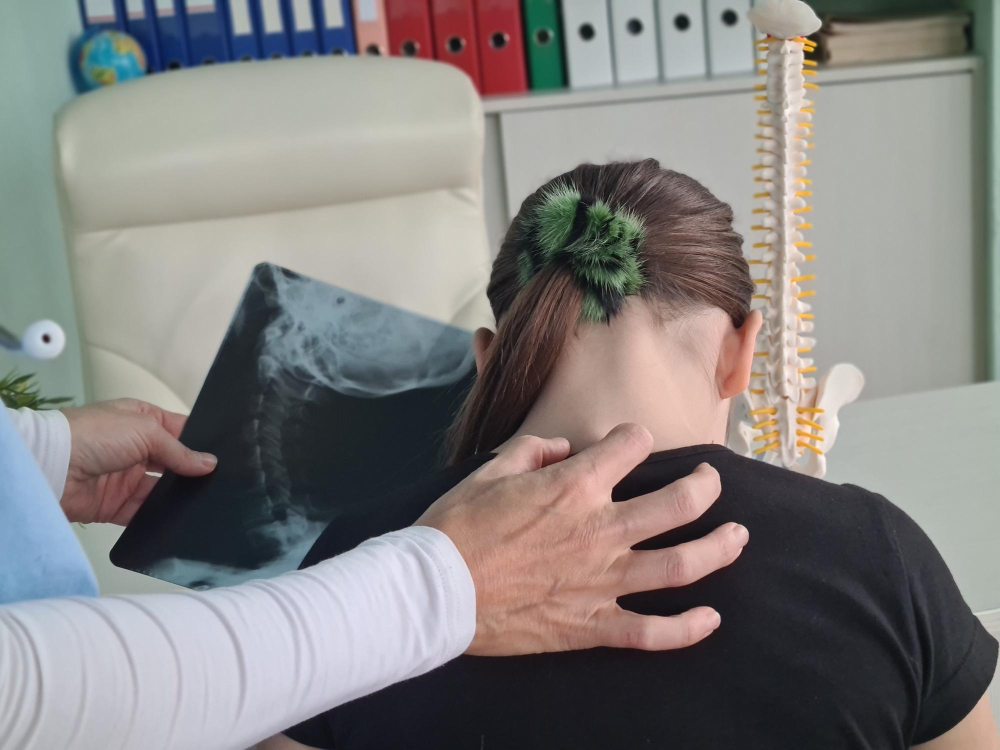
What is Tethered Cord Syndrome?
Tethered Cord Syndrome is a type of spinal cord disorder. In this condition, the spinal cord is pulled or stuck to tissues around the spine. As a result, the cord cannot move freely. This can cause nerve problems over time. Although it can affect anyone, it is often missed in both children and adults. Early diagnosis of tethered cord is important because it can prevent long-term damage. According to the National Institutes of Health, this condition can lead to pain, weakness, and other neurological symptoms if not treated.
Common Symptoms in Children and Adults
Symptoms of Tethered Cord Syndrome can vary. Sometimes, they appear slowly. In other cases, they show up quickly. However, many people do not notice symptoms until later in life. Below are common signs to watch for:
For children, symptoms may include delays in walking or frequent falls. In adults, symptoms can get worse with age or after an injury. Therefore, it is important to notice any changes early.
Causes and Risk Factors
Tethered Cord Syndrome can be present at birth or develop later. There are several causes and risk factors, including:
Sometimes, the cause is not clear. But, children born with spinal cord disorders are at higher risk. Adults who have had back surgery or injuries should also be aware.
How Tethered Cord Syndrome is Diagnosed
Doctors use several steps to diagnose Tethered Cord Syndrome. First, they ask about symptoms and medical history. Next, they perform a physical exam. If they suspect this condition, they may order tests such as:
Early diagnosis of tethered cord is important. With early detection, treatment can begin before nerve damage becomes severe. According to the CDC, imaging tests are the best way to confirm the diagnosis.
Treatment Options
Treatment for tethered cord syndrome depends on the severity of symptoms. In many cases, surgery is needed to release the spinal cord. This helps prevent further nerve damage. However, not everyone needs surgery right away. Doctors may suggest:
After treatment, most people see improvement. Still, some symptoms may remain, especially if nerve damage was present for a long time.
Lifestyle Tips and Support
Living with Tethered Cord Syndrome can be challenging. But, there are ways to manage daily life. For example, you can:
Additionally, talking to a counselor can help with stress or anxiety. Remember, you are not alone. Many people manage this condition with the right support.
Prevention and Early Detection
While you cannot always prevent Tethered Cord Syndrome, early detection makes a big difference. Therefore, watch for symptoms in children, especially if they have birth defects or unusual skin marks. Adults should report new back pain, weakness, or bladder changes to their doctor. Regular check-ups and prompt imaging tests can catch problems early. According to the WHO, early treatment leads to better outcomes for spinal cord disorders.
If you or a loved one has symptoms of Tethered Cord Syndrome, consult a neurology specialist Dr. Sameep Koshti for personalized guidance.