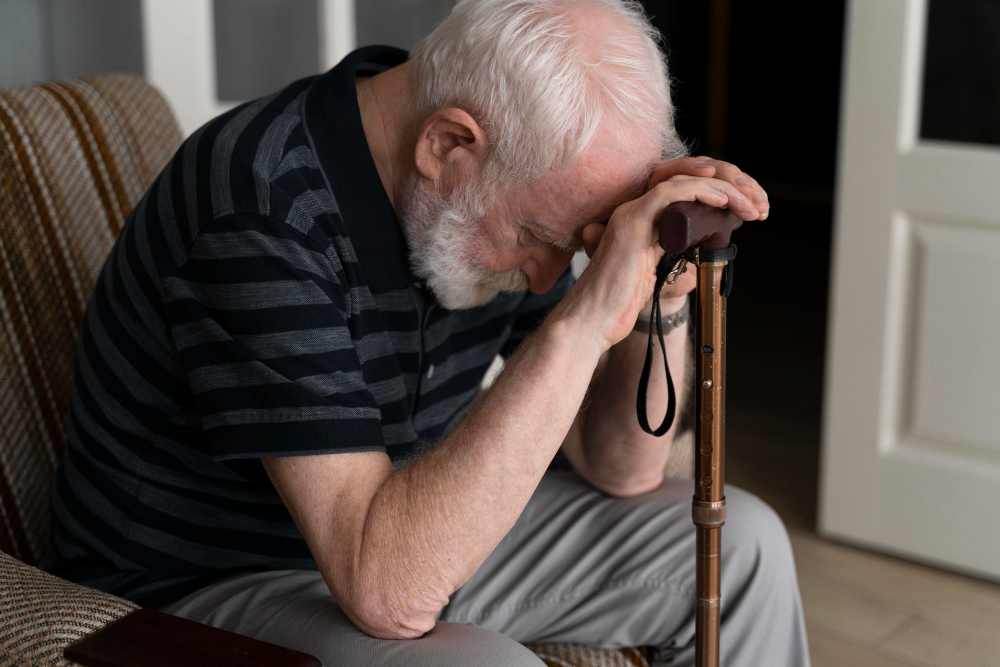
What is Parkinson’s Disease?
Parkinson’s disease is a long-term brain disorder. It mainly affects movement and balance. Early signs of Parkinson’s disease can be mild and easy to miss. However, as the disease progresses, symptoms become more noticeable. According to the World Health Organization, millions of people worldwide live with this condition. While there is no cure, many treatment options can help manage symptoms and improve quality of life.
Common Symptoms of Parkinson’s Disease
Parkinson’s disease symptoms often start slowly. Over time, they may become more severe. Not everyone experiences the same symptoms. Still, some signs are very common. For example, you may notice:
In addition, some people may have trouble sleeping or feel depressed. Because symptoms can vary, it is important to watch for early signs of Parkinson’s disease.
Causes and Risk Factors
Doctors do not know the exact cause of Parkinson’s disease. However, it happens when certain brain cells that make dopamine start to die. Dopamine helps control movement. Without enough dopamine, movement becomes harder. Several risk factors can increase your chances of developing Parkinson’s disease:
Even though these factors increase risk, many people develop Parkinson’s disease without any known cause.
How Parkinson’s Disease is Diagnosed
Diagnosing Parkinson’s disease can be challenging. There is no single test for it. Instead, doctors use a combination of methods. First, they ask about your symptoms and medical history. Then, they perform a physical exam to check your movement, balance, and reflexes. Sometimes, doctors may order brain scans to rule out other conditions. In some cases, they may refer you to a neurologist, a doctor who specializes in brain disorders. Early diagnosis is important because it allows for better management of symptoms.
Treatment Options
Although there is no cure for Parkinson’s disease, many treatment options can help. Treatment plans are tailored to each person’s needs. Common Parkinson’s disease treatment options include:
Additionally, regular check-ups with your doctor are important to adjust treatments as needed.
Lifestyle Tips for Living with Parkinson’s Disease
Living with Parkinson’s disease can be challenging. Yet, many people find ways to manage daily life. Here are some helpful tips:
Furthermore, making small changes at home, like removing tripping hazards, can help prevent falls.
Prevention and Early Detection
Currently, there is no sure way to prevent Parkinson’s disease. However, some healthy habits may lower your risk. For example, regular exercise and a healthy diet support brain health. Early detection is key. If you notice early signs of Parkinson’s disease, such as tremors or slow movement, talk to your doctor right away. Early treatment can help manage symptoms and improve quality of life.
Frequently Asked Questions
If you or a loved one are experiencing symptoms of Parkinson’s disease, consult a neurologist for personalized advice.